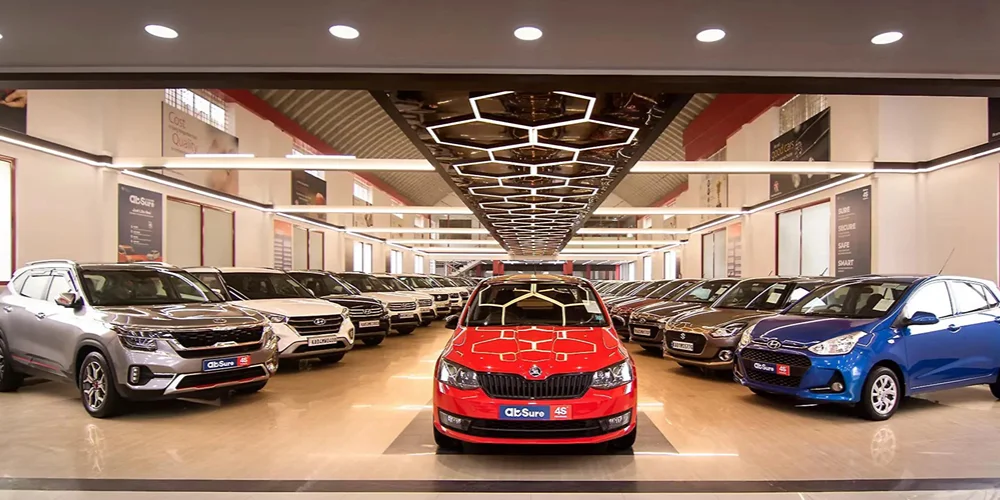
Managing a used-car dealership involves more than buying vehicles and finding buyers. Dealers need to track every vehicle from purchase and inspection to refurbishment, listing, booking and final sale. As inventory grows, keeping vehicle details, documents, expenses and availability updated becomes increasingly difficult.
Many dealerships still rely on spreadsheets, paper records and WhatsApp conversations to manage daily operations. Without a structured process, vehicles can remain unsold for too long, costs may go unrecorded, and outdated availability information can create confusion for sales teams and customers.
Vehicle inventory management helps dealers maintain accurate stock records, monitor each vehicle’s progress and make informed business decisions. With a clear workflow and the right Dealer Management System (DMS), dealers can reduce manual work, improve visibility and manage their inventory more efficiently.
This guide explains the essential steps, common challenges and practical tools that can help used-car dealers build a more organized inventory management process.
What Is Vehicle Inventory Management?
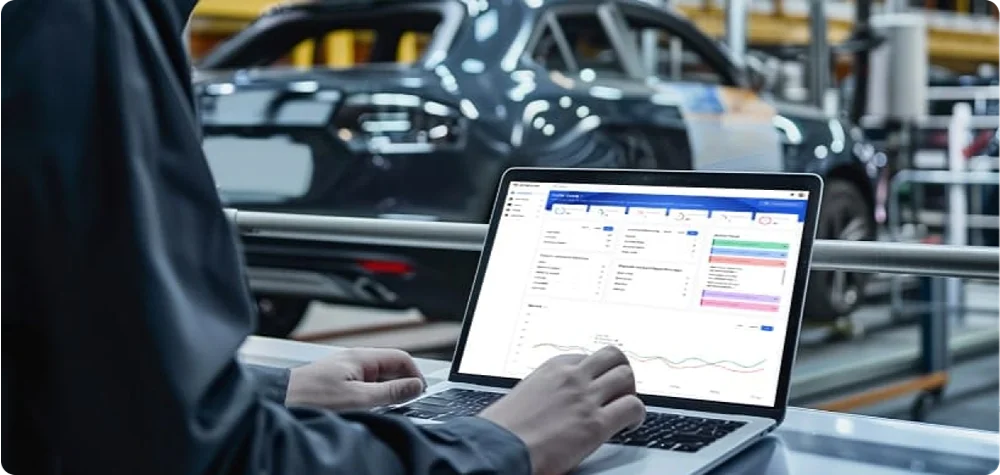
Vehicle inventory management is the process of tracking and managing every vehicle a dealership purchases, prepares, lists and sells. It gives dealers a clear view of their available stock, vehicle condition, purchase cost, selling price and current status.
For used-car dealers, inventory management goes beyond maintaining a list of vehicles. Each vehicle moves through several stages, including acquisition, inspection, refurbishment, listing, booking and delivery. Every stage requires accurate information and timely updates.
For used-car dealerships, effective vehicle inventory management provides visibility into:
- Vehicle details: Make, model, variant, year, mileage and registration information.
- Inventory status: Whether a vehicle is awaiting inspection, undergoing refurbishment, available for sale, booked or sold.
- Vehicle costs: Purchase price, refurbishment expenses and other applicable costs.
- Documentation: Vehicle records and pending paperwork.
- Inventory ageing: How long a vehicle has remained in stock.
The goal is simple: know what is in stock, where each vehicle stands and what action is required next.
Why Is Vehicle Inventory Management Important?
Used-car dealerships handle vehicles with different conditions, purchase costs, documentation requirements and selling timelines. Without reliable vehicle inventory management, keeping everything organized becomes difficult.

Here are the most common challenges dealers face.:
- Scattered vehicle records: Vehicle information stored across Excel sheets, WhatsApp conversations and paper records makes it difficult to find accurate, updated details.
- Unclear vehicle status: Sales teams may not know whether a vehicle is undergoing refurbishment, ready for sale, booked or already sold.
- Untracked expenses: Missing repair and refurbishment costs can lead to inaccurate profit calculations and poor pricing decisions.
- Ageing inventory: Vehicles that remain unsold tie up working capital and may require pricing or marketing adjustments.
- Documentation delays: Missing documents or pending tasks can delay vehicle sales, deliveries and registration transfers.
A structured vehicle inventory management process helps dealers reduce these gaps, improve stock visibility and make informed business decisions.
How to Manage Used Car Inventory Efficiently
Step 1: Record Every Vehicle Purchase
Start by recording the details of every vehicle you purchase.
Include the registration number, make, model, year, purchase price, seller details, and purchase date.
Keeping everything in one place makes it easier to find records and track your stock.
Step 2: Update Vehicle Status Regularly
Every vehicle moves through different stages before it is sold.
Track whether it is newly purchased, under refurbishment, ready for sale, booked, or sold. Update the status whenever something changes.
This helps your team know which vehicles are available and which need attention.
Step 3: Track the Total Cost of Each Vehicle
The purchase price is only part of your investment.
Include refurbishment, transportation, documentation, and other related expenses to understand the actual cost.
For example, if a car costs ₹4 lakh and needs another ₹30,000 in expenses, your total cost becomes ₹4.3 lakh.
If you sell it for ₹4.6 lakh, your gross margin before other business costs is ₹30,000.
Accurate cost tracking helps you price vehicles more confidently.
Step 4: Monitor Vehicle Ageing
A vehicle that stays unsold for too long ties up your money.
Review how many days each vehicle has been in stock. Identify older inventory and decide whether to revise the price, improve the listing, or follow up with interested buyers.
Regular ageing checks help prevent stock from sitting idle.
Step 5: Keep Vehicle Listings Updated
Buyers want accurate information before visiting your dealership.
Update prices, photographs, mileage, specifications, and availability whenever details change.
Remove sold vehicles from active listings promptly. This reduces confusion and unnecessary enquiries.
Step 6: Review Inventory Every Week
Set aside time each week to review your stock.
Check which vehicles are selling, which have high expenses, and which have been sitting too long.
A regular review helps you identify problems early and plan your next purchases based on actual demand.
Key Inventory Metrics Every Dealer Should Track
Tracking the right metrics helps dealers understand whether their inventory process is working effectively.
Metric
- Total vehicles in stock
- Available vehicles
- Average inventory ageing
- Inventory turnover
- Cost per vehicle
- Gross profit per vehicle
- Refurbishment time
- Enquiries per vehicle
Why it matters
- Shows the size of current inventory.
- Helps teams understand what can be sold immediately.
- Highlights how long vehicles remain in stock.
- Shows how frequently inventory is sold and replaced over a period.
- Helps track the investment made in each vehicle.
- Shows the difference between selling price and defined vehicle costs.
- Helps identify delays before vehicles become sale-ready.
- Helps assess customer interest in individual listings.
Both types of dealerships require accurate vehicle records, expense tracking, document management, ageing visibility and updated sales status.
Common Inventory Management Mistakes to Avoid
Even dealerships with established processes can develop inventory gaps. Watch out for these common mistakes:
- Delaying data entry: Record vehicle details when the vehicle enters the dealership instead of relying on memory later.
- Using inconsistent statuses: Define clear status labels and ensure every employee follows the same workflow.
- Ignoring additional costs: Record relevant expenses against individual vehicles to understand actual margins.
- Forgetting ageing stock: Review unsold vehicles regularly and decide what action each one needs.
- Keeping outdated listings live: Update availability promptly after bookings, sales or other status changes.
- Depending on one employee: Make vehicle records accessible to authorized team members so operations do not depend entirely on one person’s knowledge.
- Skipping regular audits: Compare physical stock with digital records to identify missing, duplicate or incorrect entries.
A consistent process helps prevent these issues from becoming routine dealership problems.
How a Dealer Management System Simplifies Inventory
As the number of vehicles and employees grows, managing inventory through separate tools becomes harder to maintain. A Dealer Management System (DMS) provides a more centralized way to manage dealership information and workflows.
With a suitable DMS, dealers can maintain vehicle records, update inventory statuses, track purchase and expense information, manage documents and monitor stock from a single platform.
A mobile-friendly system can also help employees update information while working on the dealership floor, rather than waiting to return to a desktop or manually update a spreadsheet.
For dealerships managing multiple users or branches, role-based access and synchronized records can help teams work with more consistent information, depending on the system’s capabilities.
How MotoTrade Supports Inventory Management
MotoTrade is designed around the day-to-day needs of used-car and two-wheeler dealerships. Its Dealer Management System brings key dealership workflows into a connected environment, helping teams manage vehicles alongside related sales and operational activities.
By maintaining structured vehicle records and tracking inventory through defined statuses, dealers can improve visibility into their stock and the work required at each stage.
When inventory management is connected with lead tracking, expenses, documentation and other dealership workflows, teams can reduce the need to maintain separate records for every activity.
The result is a more organized approach to managing vehicles from acquisition to sale, helping dealers spend less time searching for information and more time serving customers and growing their business.
Conclusion
Efficient vehicle inventory management starts with accurate records, clear vehicle statuses and consistent tracking throughout the vehicle lifecycle. By recording every purchase, monitoring expenses, reviewing ageing stock and keeping listings updated, used-car dealers can gain better control over their inventory.
Regular performance reviews help identify slow-moving vehicles, uncover operational delays and support better purchasing and pricing decisions. As dealership operations expand, a centralized Dealer Management System can make these processes easier to manage.
For dealers looking to move beyond scattered spreadsheets, paper records and disconnected conversations, a structured digital workflow is a practical step towards a more organized dealership.
Better inventory visibility means better-informed decisions at every stage of the vehicle journey.
Frequently Asked Questions
What is vehicle inventory management?
Vehicle inventory management is the process of tracking vehicles, costs, availability, documentation and status from acquisition to sale. It helps dealerships maintain accurate records and manage stock efficiently.
How can used-car dealers improve vehicle inventory management?
Dealers can improve vehicle inventory management by recording every vehicle at acquisition, standardizing inventory statuses, tracking expenses, monitoring ageing, updating listings and reviewing stock performance regularly.
What is the best way to track used-car inventory?
A consistent digital inventory record is a practical starting point. A suitable Dealer Management System can centralize vehicle details, status updates, expenses and related operational information.
Why is vehicle ageing important?
Vehicle ageing shows how long a vehicle has remained in stock or available for sale. Monitoring it helps dealers identify slow-moving vehicles and review pricing, marketing and purchasing decisions.
How does a Dealer Management System help manage inventory?
A DMS can centralize vehicle records, track inventory statuses, manage associated expenses and improve visibility across dealership operations, depending on the features available.
Can small dealerships benefit from vehicle inventory software?
Yes. Digital vehicle inventory management can help small dealerships reduce manual recordkeeping, find information faster and maintain consistent processes as their inventory grows.