Running a used vehicle dealership isn’t just about buying and selling cars or bikes. Every day, you’re juggling inventory, customer calls, paperwork, payments, staff, and follow-ups. If even one of these slips through the cracks, it can mean losing a sale.
Many dealerships still manage their business using Excel sheets, WhatsApp chats, and handwritten registers. While these methods may work when you’re selling a few vehicles each month, they quickly become difficult to manage as your business grows.
That’s where Dealer Management Software (DMS) comes in.
A good DMS helps you keep your entire dealership organized from vehicle purchases and inventory to invoices, payments, and customer relationships all in one place.
What Is Dealer Management Software?
Dealer Management Software is a digital platform designed to simplify the day-to-day operations of a vehicle dealership.
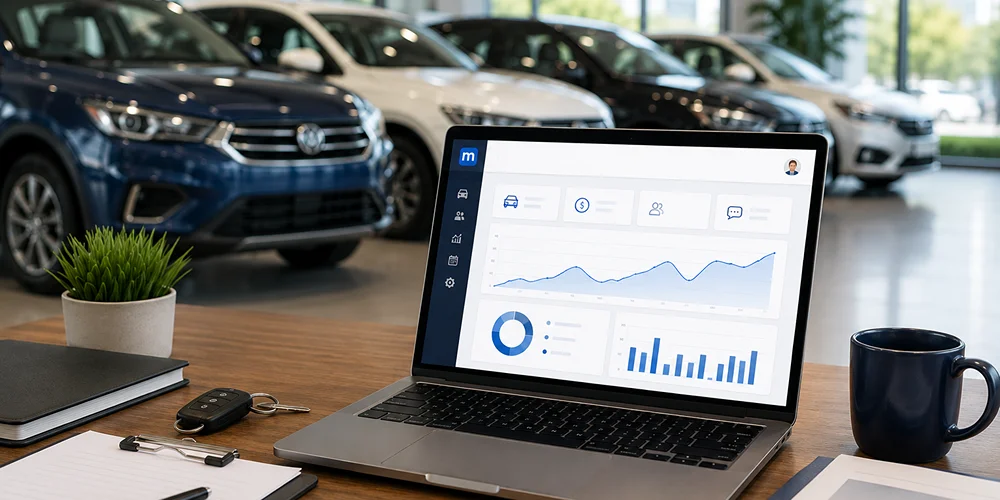
Instead of switching between notebooks, spreadsheets, messaging apps, and accounting software, everything is available from a single dashboard.
With the right software, you can:
- Manage vehicle inventory
- Track customer enquiries
- Create GST invoices
- Record payments
- Store vehicle documents
- Monitor employee activities
- Generate business reports
The goal is simple: spend less time on paperwork and more time selling vehicles.
Why Many Used Vehicle Dealers Struggle
If you’ve been in the business for a while, some of these situations may sound familiar:
- A customer asks whether a vehicle is still available, but it was sold yesterday.
- A payment reference gets entered twice.
- An employee forgets to follow up with a serious buyer.
- Vehicle documents are scattered across folders and WhatsApp chats.
- At the end of the month, calculating profit takes hours.
These aren’t unusual problems, they’re the result of using disconnected tools.
Dealer management software brings everything together so your team always has the latest information.
Features That Actually Make a Difference
Not all features need to be flashy. The best software solves everyday problems.
Vehicle Inventory Management
Your inventory is the heart of your dealership.
A good system lets you add vehicles quickly, upload photos, track purchase and selling prices, monitor stock status, and instantly search your inventory.
Whether you have 20 vehicles or 500, you’ll always know what’s available.
Customer Lead Management
Every enquiry is a potential sale.
Instead of relying on memory or sticky notes, a DMS keeps all customer interactions in one place. You can record enquiries, schedule follow-ups, set reminders, and track each customer from their first call to the final sale.
This means fewer missed opportunities and more closed deals.
Purchase & Sales Records
Every vehicle has a story from purchase to sale.
Dealer software helps you maintain complete purchase and sales records, calculate profit, track outstanding balances, and maintain ownership history without digging through paperwork.
Payment Management
Recording payments accurately is essential.
A good system lets you record payments, issue receipts, monitor pending balances, and even prevent duplicate payment reference numbers, saving time and avoiding costly mistakes.
GST Invoice Generation
Professional invoices don’t just help with accounting, they also build customer trust.
With just a few clicks, you can generate GST-compliant invoices, print them, or share them digitally with customers.
Vehicle Document Management
Every dealership handles important documents like RCs, insurance papers, finance records, and customer KYC.
Keeping these documents linked to each vehicle makes them easy to find whenever you need them.
No more searching through WhatsApp or paper files.
Employee Access Control
Not everyone in your dealership needs access to everything.
Role-based permissions let you control who can:
- View vehicles
- Edit inventory
- Create invoices
- Record payments
- View owner contact details
- Manage employees
This keeps sensitive information secure while allowing your team to work efficiently.
Reports That Help You Grow
Good decisions are backed by good data.
Instead of guessing how your dealership is performing, you can view reports on:
- Sales performance
- Profit margins
- Inventory ageing
- Pending payments
- Purchase trends
These insights help you identify what’s working and where improvements are needed.
How Dealer Management Software Helps Your Business
The biggest benefit isn’t just saving time, it’s gaining control over your dealership.
With everything in one place, you can:
- Reduce paperwork
- Eliminate duplicate records
- Improve customer service
- Track profitability accurately
- Speed up daily operations
- Help your team work more efficiently
As your dealership grows, having the right systems becomes even more valuable.
Manual Dealership Management vs Dealer Management Software
Many used vehicle dealers start with Excel, paper records, WhatsApp, and separate billing tools. These methods may work for small operations but become difficult to manage as inventory and customer volume grow.
| Area | Manual Management | Dealer Management Software |
| Inventory | Spreadsheets & registers | Centralized vehicle inventory |
| Customer Leads | Calls, WhatsApp & notes | Organized leads & follow-ups |
| Sales & Purchases | Separate records | Connected vehicle transactions |
| Billing & Payments | Manual tracking | Digital invoices & payment records |
| Documents | Paper & scattered files | Organized vehicle records |
| Reports | Manual calculations | Faster business insights |
Why Switch to a DMS?
A dealer management system connects inventory, customers, sales, billing, payments, documents, and reporting in one platform. This can reduce repetitive work, improve data visibility, and help dealerships manage daily operations more efficiently.
MotoTrade brings these core dealership workflows together in one cloud-based platform designed for used vehicle dealers.
Choosing the Right Dealer Management Software
Before investing in software, ask yourself:
- Is it built specifically for used vehicle dealers?
- Can my staff learn it quickly?
- Does it work well on mobile devices?
- Does it support GST invoicing?
- Can it manage inventory and customer leads?
- Does it include employee permissions?
- Will it scale as my business grows?
The right software should make your work easier, not add complexity.
Why Dealers Choose MotoTrade
MotoTrade is built specifically for used vehicle dealerships.
Instead of trying to adapt generic CRM or accounting software, MotoTrade brings together everything dealers need in one platform:
- Vehicle inventory management
- Customer lead tracking
- Purchase and sales management
- GST invoicing
- Payment tracking
- Employee permissions
- Vehicle document storage
- Business reports
Whether you’re a small dealership or managing multiple branches, MotoTrade helps streamline operations so you can focus on selling more vehicles.
Conclusion
The used vehicle industry is becoming more competitive every year. Dealers who continue relying on spreadsheets and manual processes often spend more time managing operations than growing their business.
Dealer Management Software isn’t just about going digital, it’s about creating a smoother, faster, and more organized way to run your dealership.
If you’re ready to save time, improve efficiency, and deliver a better experience for both your team and your customers, investing in the right dealer management software is a smart next step.
MotoTrade is designed to help used vehicle dealers do exactly that.
Frequently Asked Questions
What is dealer management software?
Dealer management software is a centralized platform that helps vehicle dealerships manage inventory, customer leads, purchases, sales, billing, payments, documents, employees, and business reports. It replaces disconnected spreadsheets, paper records, and manual processes with a connected digital workflow.
How does dealer management software help used vehicle dealers?
Dealer management software helps used vehicle dealers organize the complete vehicle sales process, from purchasing and adding vehicles to inventory through customer enquiries, follow-ups, invoicing, payments, documentation, and sales reporting. It gives dealers better visibility over daily operations from one system.
What features should dealer management software have?
A good dealer management system should typically include vehicle inventory management, customer relationship management (CRM), lead tracking, purchase and sales records, billing and invoicing, payment tracking, document management, employee access controls, and reports. The right feature set depends on the dealership’s size and operational requirements.
Can dealer management software manage vehicle inventory?
Yes, dealer management software can help dealers maintain centralized vehicle inventory records, track stock status, record purchase and selling information, and quickly find vehicle details. This is particularly useful for used car and bike dealerships managing a constantly changing inventory.
Is dealer management software useful for both car and bike dealers?
Yes. Dealer management software can be used by different vehicle businesses, including used car dealers, bike dealers, auto dealers, independent vehicle traders, and multi-brand dealerships. The software should be selected based on the specific inventory, sales, billing, and customer-management requirements of the business.
Is dealer management software better than managing a dealership with Excel?
For growing dealerships, dedicated dealer management software can provide advantages over Excel by connecting inventory, customer leads, sales, billing, payments, and reporting in one system. Excel can be useful for basic record keeping, but it becomes harder to maintain as vehicle volume, employees, and transactions increase.